Featured

2008 crisis: the beginning of a butterfly effect

From a dictatorship to the European Union

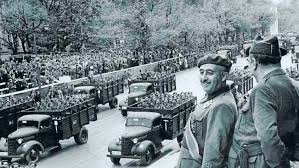
In 1939, the Spanish Civil War was over. The rebel side won and transformed the Spanish Republic into a dictatorship and Francisco Franco, who lead the military uprising, became the dictator.

The first decades were a stage of famine and poverty: the government tried to create a self-efficient country with very strong border control. The lack of international commerce in a country destroyed by a Civil War created a situation where hunger and rationing were the typical dish. This situation let no other option to Franco that opening the borders and the economy, and that is the point where the Spanish growth began.

In 1975, Franco passed away and Spain became a democracy. Spanish economy kept growing due to the international commerce, tourism and the entrance into the European Union. Since 1984, Spain was living a stage of enormous growth. Its GDP was growing at incredible rates, way higher than the rest of developed countries. The famine lived during the decades after the Civil War looked very far away, now we were rich!

Global crisis and the effect in Spain

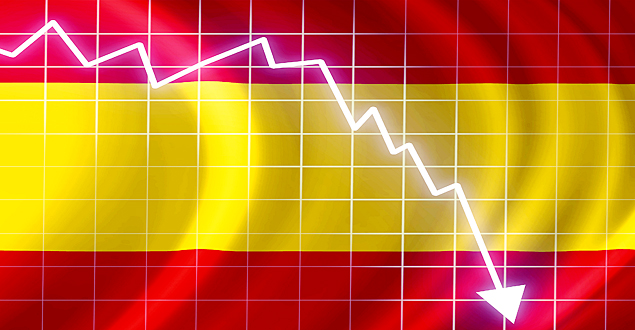
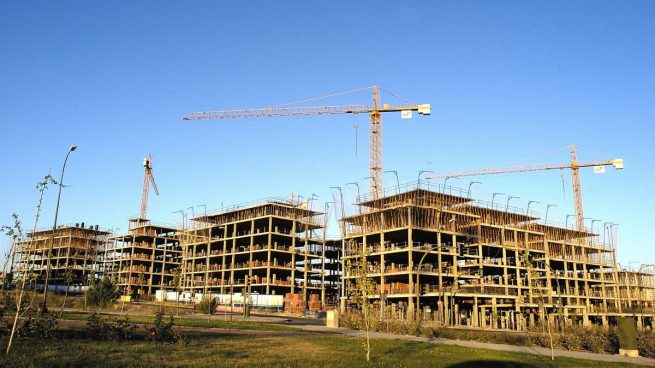
In 2006, the crisis in real state hit the US but it was not until 2008 when it arrived in Spain. As I’ve said, Spain was living some decades of incredible growth, the problem is that the Spanish economy was highly dependent on real state and the Spanish private and public sectors had extremely high debt rates. Reality hit Spanish economy and what seemed a rich country started the greatest crisis of its modern history.

On May the 15th 2011, a social movement called 15M (named after the day when it occurred) appeared and thousands of Spanish citizens took the main streets of the biggest cities to show the discontent with the political leaders. The protestors where called “outraged” and wanted to complain against the political privileges, corruption, cuts in public services, unemployment, etc.

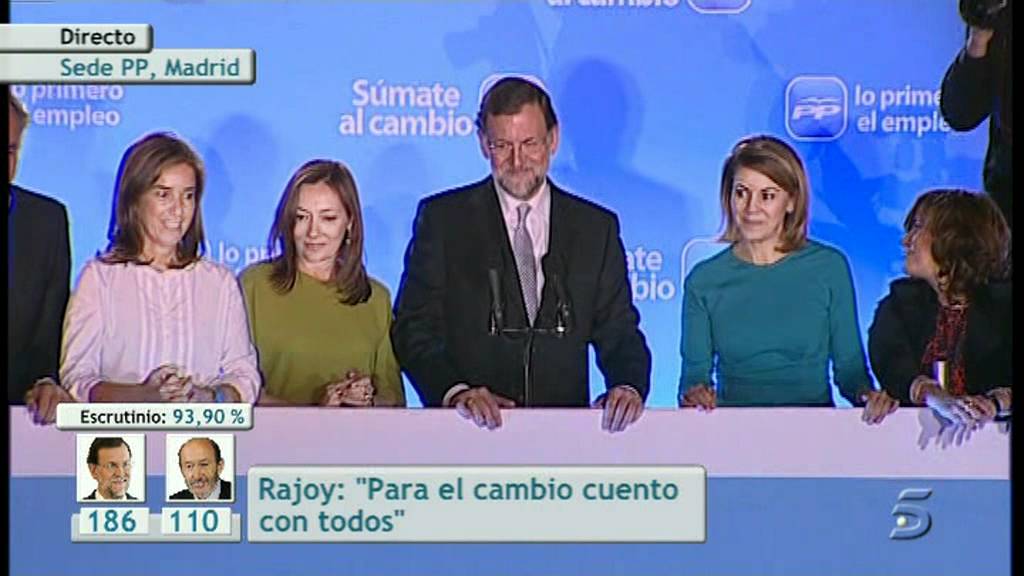
The situation was so terrible that the leader of the PSOE (center-left party) and President of Spain called for elections one year before his mandate expired. The result was an easy absolute majority for the PP (center-right party).

The new government and the recovery from the crisis

During campaign, PP promised to reduce taxes but after the elections, they did the exact opposite. The goals that the EU set to the new government were to reduce the public deficit and to increase the Spanish productivity.

To do so, Mariano Rajoy (the new President) and his party made cuts in the different public sectors, increased the taxes to collect more money and created new labor laws that permitted companies to fire workers in a cheaper way.

The first two measures stopped the increase in the Spanish debt (which had already overcome the 100% of the GDP). The third one allowed the companies whose sales had decreased to fire the employees that they didn’t need any more to decrease their costs and be able to survive to the crisis.

All these measures carried out by the government helped the Spanish economy. Maybe better measures would have meant a faster and bigger recovery, but at least during this mandate the economy had some recovery. The problem is that the working class barely felt this recovery: unemployment rates were still close to 25%, workers feared to be fired (which, in part, was a reason for the increase in the efficiency in the Spanish market) and, while families were evicted from their houses for not paying their loans, the Spanish government rescued the banking sector with public funds. All this tension caused that the 15M moved from the street protests to the Spanish urns. For the next elections, two new parties were born and the Spanish bipartidism was over. But that will be explain on our next post.
Rating: 4.5 out of 5.

2019: déjà vu in the Spanish election(s)

4 parties were not enough

Let’s do a recap about the main parties in Spain: from left to right, we had Podemos (extreme left), PSOE (center-left), Ciudadanos (center) and PP (center-right). This was the starting position of the Spanish political spectrum, but we will see in this post how, along 2019, the different parties are going to slightly move depending on their strategy.

Ciudadanos popularity grew a lo thanks to their paper on Catalonia: in the Catalonian election, Ciudadanos was the first power and the only party that was able to beat the independentist parties (even though the independentist summed their seats to govern). That made that many people in the rest of Spain saw the orange party as the solution for this problem. Taking advantage of this, Albert Rivera and his party decided that their strategy would be to move to the center-right and try to beat PP, who was in a very weak moment after the motion of censure, and be the alternative to PSOE.

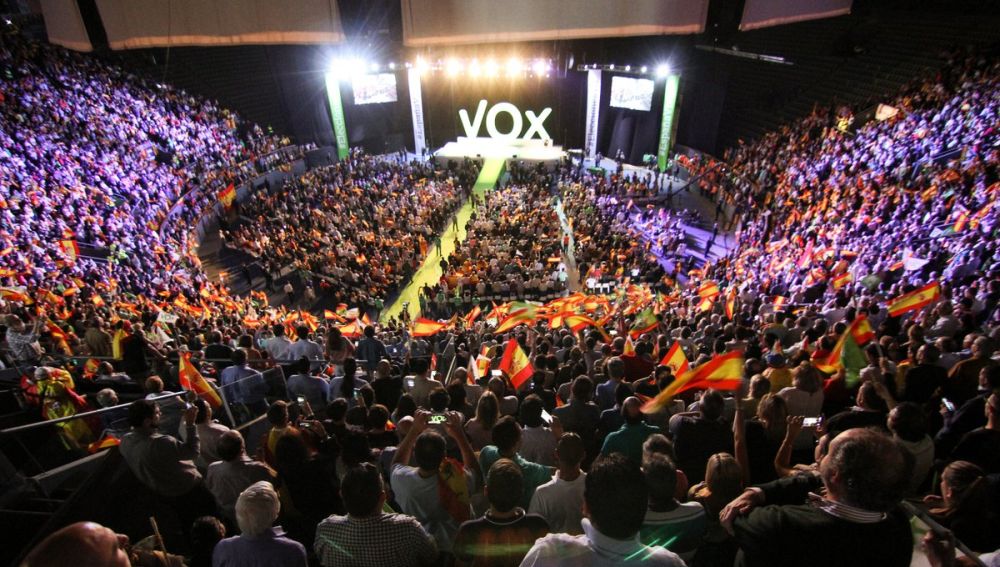
But Ciudadanos was not the only party to benefit from the Catalonian situation and PP’s weakness: VOX, as extremist and populist as Podemos but on the opposite side of the spectrum, won an incredible popularity among the Spanish voters and got into the fight for going to Moncloa. VOX was not a new party but, until then, their representation in the elections were complete negligible. The party lead by Santiago Abascal was born to satisfy the need of many right-oriented people to fight the independentists, the feminist movement, the immigrants and the gay-pride movement, among others.

With the move of these two parties, PP had to decide either to stay at center-right and compete with Ciudadanos or move to the right and try not to lose those votes that would probably go to VOX.

April 2019 election and the correspondent investiture

The die was cast, the right parties were going to fight against each other to see who the best opposition to PSOE was and, then, try to form a govern together. Podemos was in a weak position and its strategy was to tell the left voters that, if Podemos is weak, PSOE would try to govern with Ciudadanos, so the only option for a real left-oriented government was voting Podemos.

The election took place and the result was the following: 123 seats for PSOE, 66 for PP (worst result in its history), 57 for Ciudadanos, 42 for Podemos and 24 for VOX. Once again, none block summed enough seats to easily present a winning investiture. Ciudadanos had an incredible growth but not enough to become the first power in the opposition and VOX’s growth was smaller than expected.

The only possible outcome of this result could be that PSOE and Podemos tried to govern together (with the supports that they got in the motion of censure), so their leaders started a long period of negotiations. After five months, Pedro Sánchez and Pablo Iglesias didn’t reach an agreement: Sánchez said that Iglesias asked for too much power within the government and Iglesias said that Sánchez just didn’t want to agree with Podemos. Honestly, I don’t know who the liar was, but one thing was clear: new elections would take place in November.

November 2019 election brought some surprises

When the new elections were announced, a joke about it went viral. The joke said that 15 years ago, Spanish people used to go on vacation every year and vote every four years; now, Spanish people vote every year and go on vacation every four years.

I have always thought that repeating elections was stupid: people don’t change their opinion in just a few months and the results are always very similar. Well, I guess not this time. PP realized that the strategy to fight against VOX was a complete mistake, since people that wanted to vote to the right edge of the scope would choose VOX instead of a lighter party. So, for the following election, PP was going back to the center-right.

That left Ciudadanos in a very weak position, since it went from having the center-right free to competing with PP, who was clearly stronger. At the same time, the right side was free for VOX, who also was in a very good situation, since the independentist people in Catalonia had turned more radical.

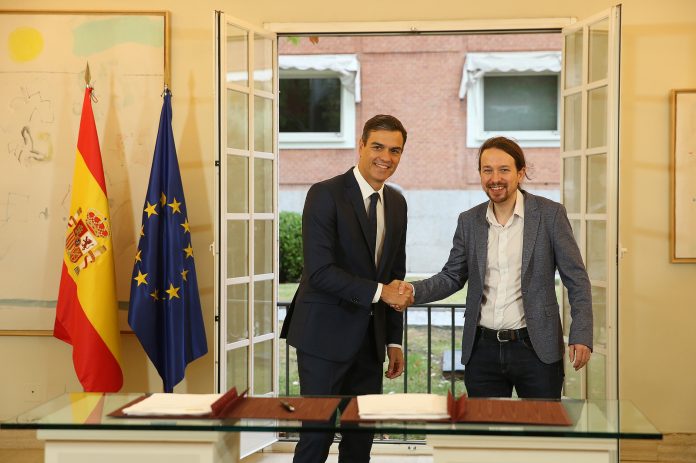
The result was a catastrophic result for Ciudadanos and a tremendous growth for VOX: 120 seats for PSOE, 89 for PP, 52 for VOX, 35 for Podemos and 10 for Ciudadanos. The situation looked even worse than in April for forming a government and, when everybody though that Spain was going towards the third election, PSOE and Podemos signed an agreement to present an investiture together.

It looks like that the Spanish political block is seeing the light at the end of the tunnel, but for the investiture to be approved, PSOE and Podemos will need the support of many other parties (remember the Frankenstein government) and they will have very low power to govern the country. But, at least, it looks like Spain will have a government soon. We don’t know how long it will last, we don’t even know if it will finally occur, but one thing is clear: seeing the quality of the Spanish politics, maybe the best solution was not to have a government.

Thank you for reading my blog and, if you’re interested in how this novel will finish, pay attention to the Spanish news.

P.S.: don’t think that everything in Spain is as horrible as its politics, we are a beautiful country so don’t doubt to visit it. It is just that Spain is different.

Rating: 4.5 out of 5.

Pedro Sánchez: the political Phoenix

Getting the support of the basis

Doing a brief recap of the previous post, the political situation of Spain in 2016 was the following: PP got to Moncloa (the Spanish Whitehouse) thanks to the support of Ciudadanos and the white vote of PSOE. Since, Pedro Sánchez kept saying his typical “no es no” to Rajoy’s investiture due to the amount of corruption cases that PP had, PSOE’s leaders decided that Spain couldn’t go to third elections and if Sánchez didn’t want to refrain, the solution was Sánchez leaving the party.

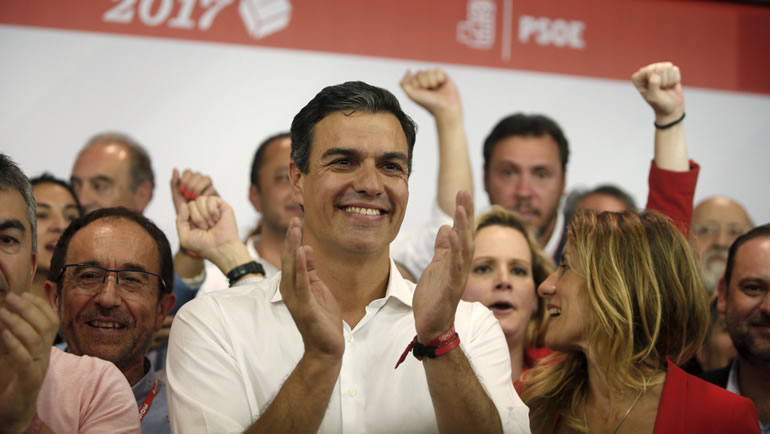
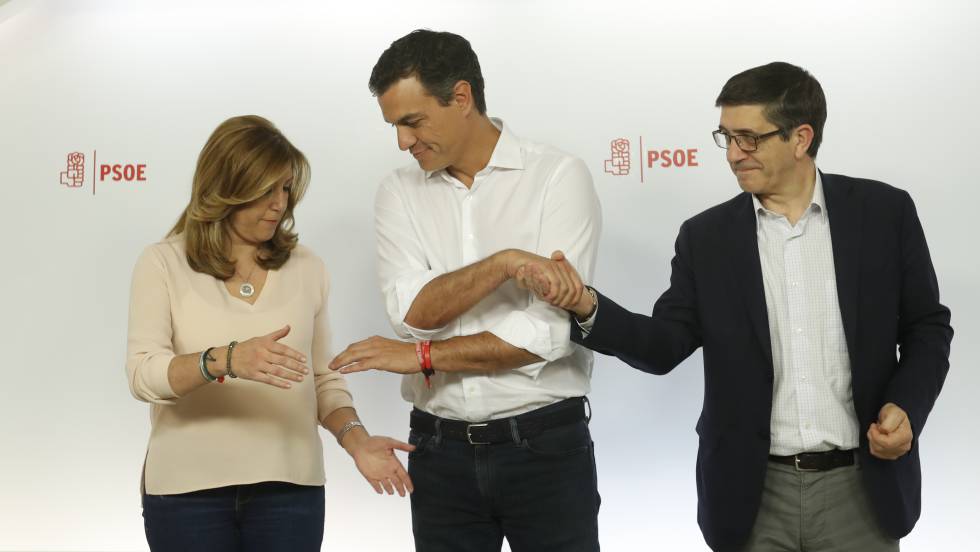
After leaving the party, Pedro Sánchez honored his book’s name “Manual de Resistencia” (“Resistance manual” in English) and didn’t finish his political career. Instead, he started to visit the main Spanish cities and convincing the basis of PSOE that he was the best option for the next elections. In 2017, the internal vote in PSOE to see who was going to lead the party occurred, and Pedro Sánchez clearly won against the other candidate, Susana Díaz (74.223 votes for Sánchez and 59.041 for Díaz). Pedro was back.

The Gurtel case ruling

The Gurtel plot was a corruption case where many members of PP were involved. In fact, Rajoy’s name and signature were written in one of the papers that the Police found. After de court ruling was published, PSOE decided to present a motion of censure to eject PP and Rajoy from Moncloa and declare Sánchez as the new President of Spain. If PSOE made it, Sánchez’s government would be a provisional situation and he would have to call for elections.

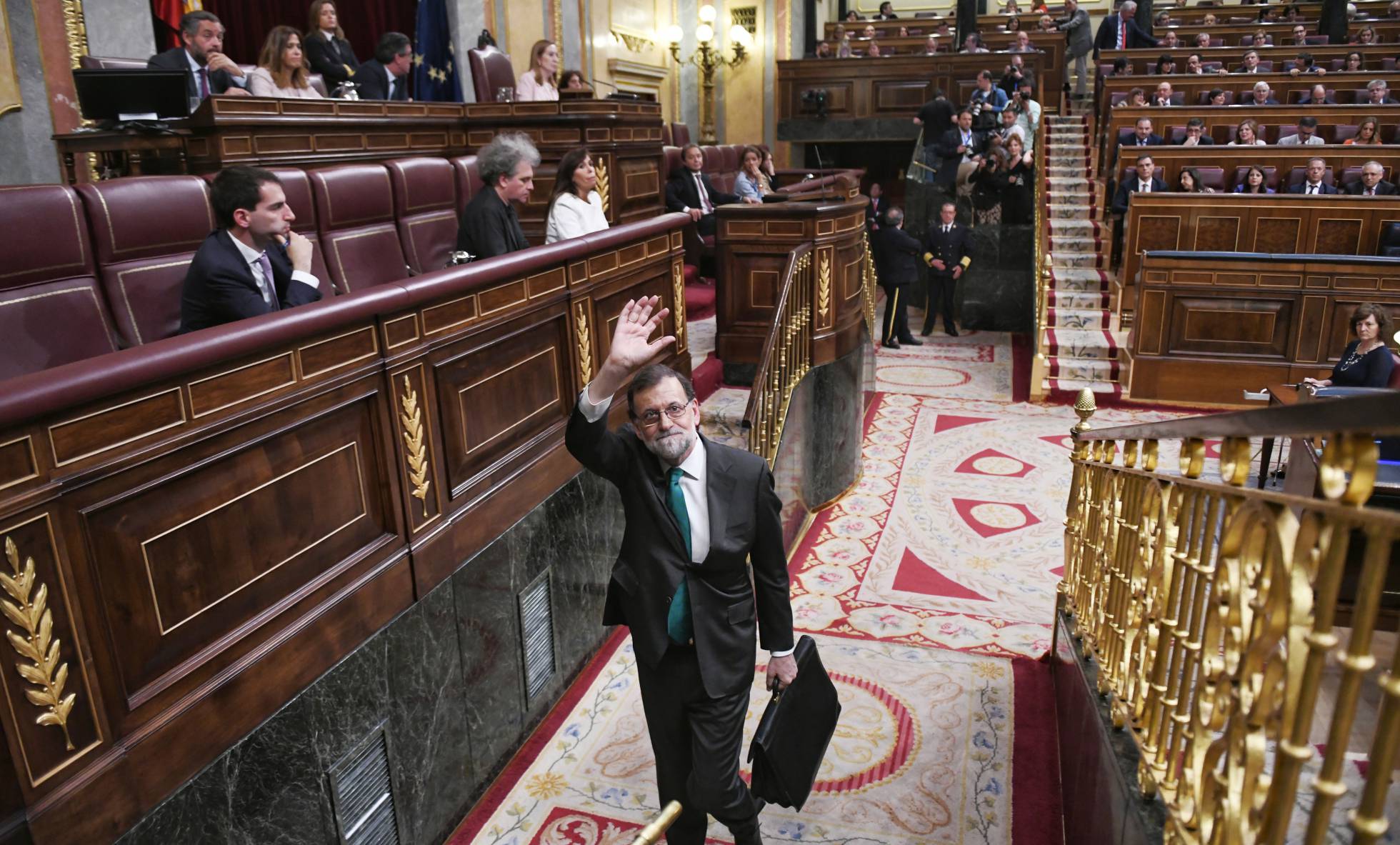
For the motion to be approved, PSOE needed an absolute majority, so apart from its seats (84), PSOE needed Podemos’ (67), the Catalonian independentist parties (9 ERC and 8 PDeCAT), the Basque nationalist party (5) and Compromís (a Valencian party that used to be part of Podemos and had 4 seats). After many negotiations, the vote for the motion was carried out and PSOE got all those supports and also the Basque independentist’s (2 seats) and Nueva Canaria (a party from the Canary Islands with one seat). In total, 180 yes’ and 169 no’s: Rajoy was kicked out and Pedro Sánchez became the 7th President of Spain.

The duty to call for new elections

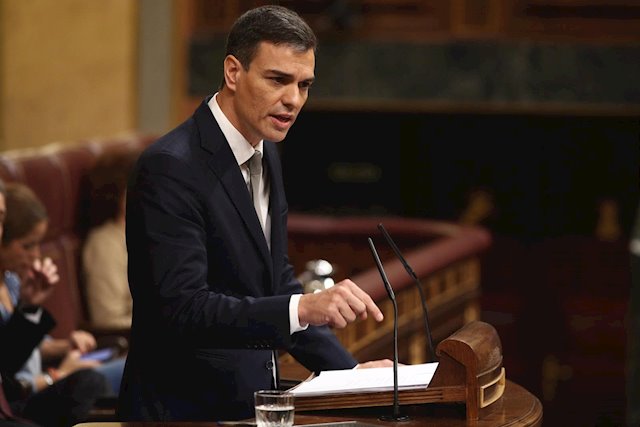
As we’ve seen, now Pedro Sánchez was the President but provisionally. He had the duty to call for elections but with one big advantage: he and his party were the ones deciding when the elections would be. It’s not necessary to be a professional strategist to guess that the elections would take place in the exact moment that PSOE’s popularity was maximum, which was April 2019.

Until then, PSOE was a very weak government. They had the support of many different countries to get there (the opposition baptized it as “the Frankenstein Government”) but once the motion of censure was done, they had just 84 seats to try to approve different measures. Their hands where tied and they weren’t even able to approve the State’s General Budgets. The only relevant things that PSOE did was to raise the minimum wage (from 858,55€ to 1050,00€)  and exhumation of the body of Francisco Franco (the dictator, who lied on a huge mausoleum built by people from the losing side of the war). These two measures might look insufficient, but they were enough for Sánchez to win the 2019 election with almost the double seats of the second party (PP). But that will be explained on our next and last post.

Rating: 4 out of 5.

2015: a double match election

Time to form a government

Once the Spanish citizens have voted, it’s time to form a government. In the Spanish system, the different parties decide who will be the one that leads the country. For a party to govern, it must count with an absolute majority (more than a half of the seats must support it). During the bipartidism, this process was very simple: either PP or PSOE had more than a half of the seats and that was the winning party. But after this election everything changed, since no party had an absolute majority (175 seats), the bigger ones had to present their investiture and negotiate the support of the rest of the parties. If no party receives more than 175 yes, they vote again but this time is enough to have more yes’ than no’s (this time, blank votes are important).

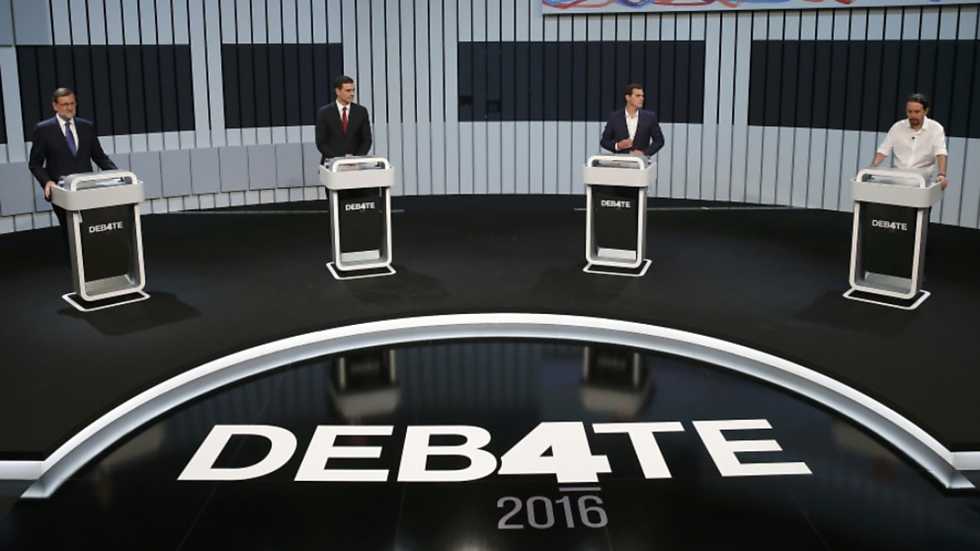
As we saw in the previous post, the result was the following: 123 seats for PP, 90 for PSOE, 69 for Podemos and 40 for Ciudadanos. The four parties were divided into two blocks: left and right, so the right block (PP) would try to form a majority and so would the left block (PSOE and Podemos); Ciudadanos, who tried to stay in the center, could form a majority with both PSOE and PP. The idea was simple, the biggest party in the block would govern and the other one would support in exchange of some power (ministers, for example). Since no block had a majority and not even more yes’ than no’s, the only solution was to repeat the election and hope to unlock this political situation.

June 2016: the rematch

Repeating elections was not the only solution. The left block could have tried to form a government and PSOE could have voted blank to let PP have a simple majority with the support of Ciudadanos, but Podemos was not interested in the first option (the wanted to repeat elections to try to overcome PSOE and be the party that tried to form a government and not the one just supporting) and PSOE was not interested in the second option (Pedro Sánchez, its leader, refused to support a the European party with more cases of corruption).

For achieving the sorpasso (Italian concept to describe a political overtaking), Podemos joined Izquierda Unida (United Left), another anti-capitalist party to see if altogether could have more seats than PSOE. But it didn´t go as planned and the result of the second election was: 137 seats for PP, 85 for PSOE, 71 for Podemos and 32 for Ciudadanos. Podemos got closer to PSOE but it was not enough to overcome them, and the right block was closer to the absolute majority (from a sum of 163 in 2015 to 169 in 2016).

Despite the increase in the right block power (by six seats) and the decrease of the left block power (by three seats), PP still needed PSOE’s blank vote to be able to govern. The alternative solution by then, was going to third elections, which would mean a huge public cost and an international sample of political lock and country instability.

Pedro Sánchez kept saying that he would never let PP get the power again. PSOE’s basis disagreed with him, defending that the party had to put Spain first and allow PP to govern Spain. An internal vote resulted in its leader being ceased, the party voting blank and Mariano Rajoy being reelected as the President of Spain.

But that moment was not the end of Mr. Sánchez’s political career, in fact, he would end up becoming the President of Spain. But that will be explained on our next post.

Rating: 3.5 out of 5.

The end of bipartidism: where Spanish politics get interesting

 Podemos: the party born on 15M

As we saw in the previous post, the Spanish crisis created a mix of situations that lead to the movement called 15M. This movement was created by anonymous organizations that wanted to change the country from the basis. The peaceful demonstrations were a complete success with a participation and duration much higher than expected. But, as we have said, the situation of the working class didn’t change very much with the new party.

After the movement ended, a new party was born to give voice in the Parliament to all those people that protested on the 15M and that were still outraged. Podemos (translated “we can”) occupied the left side of the Spanish political spectrum. This extremist and populist party was born to defend the humble workers against the ‘breed’, the name that this party gave to the rich and ‘privilege’ people such as bankers, businessmen, politics, etc.

The surprise was when on May 2014, Podemos (founded just two months earlier) won five seats in the elections for the European Parliament. This result gave the new party a huge impulse for the 2015 elections.

The fourth party in the match

Politics is just like business (that’s why I love so much both), whenever there is a demand and a lack of supply or a group of customers are dissatisfied with a service, a new company appears to cover that whole in the market. As Podemos did with the outraged people, there was a big group of people that were unhappy with PP and PSOE (the old parties) but had more liberal thoughts than the new extremist party. That is the point when Ciudadanos (“citizens” in English) came to scene.

Ciudadanos was born to collect all the center-right votes that didn’t want to vote PP because of the measures that took during its mandate and, also, because PP was being accused of many cases of corruption.

As Podemos did, Ciudadanos also was a surprise (smaller, but a surprise) in the European elections, obtaining two seats.

From a tennis match to the ‘hunger games’

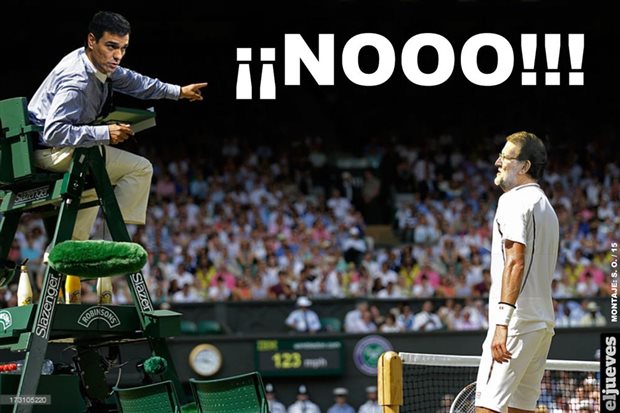
During the bipartidism, elections were boring and predictable. If people were happy with the government, it would get a better result in the next elections; if not, the other party would easily win. Just as a tennis match, if your rival did a bad game, you were going to win, and backwards. But with Podemos and Ciudadanos everything had changed, now the fact that your rival lost seats didn’t mean that you were going to get them: the tennis match was over and the ‘hunger games’ had begun.

As expected, the new parties got a historical result (69 seats for Podemos and 40 for Ciudadanos), but this result was not enough to overcome the old parties (123 seats for PP and 90 for PSOE). The elections were done but the show was not over: the parties had to agree which party (or coalition) was going to govern the country. But that will be explained on our next post.

Rating: 5 out of 5.
Design a site like this with WordPress.com
Get started