Getting the support of the basis
Doing a brief recap of the previous post, the political situation of Spain in 2016 was the following: PP got to Moncloa (the Spanish Whitehouse) thanks to the support of Ciudadanos and the white vote of PSOE. Since, Pedro Sánchez kept saying his typical “no es no” to Rajoy’s investiture due to the amount of corruption cases that PP had, PSOE’s leaders decided that Spain couldn’t go to third elections and if Sánchez didn’t want to refrain, the solution was Sánchez leaving the party.
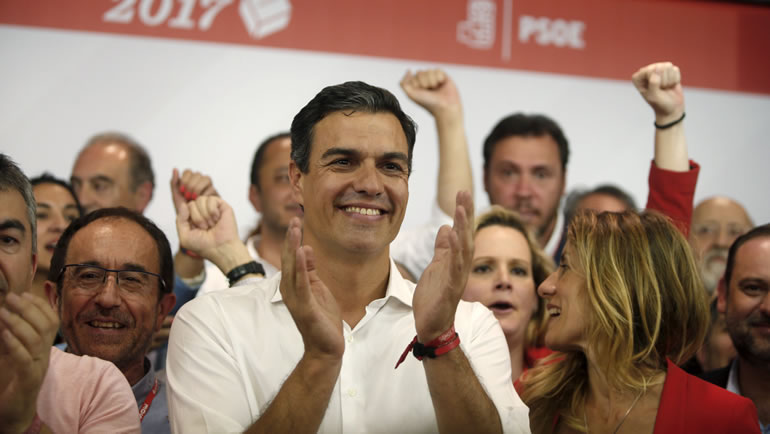
After leaving the party, Pedro Sánchez honored his book’s name “Manual de Resistencia” (“Resistance manual” in English) and didn’t finish his political career. Instead, he started to visit the main Spanish cities and convincing the basis of PSOE that he was the best option for the next elections. In 2017, the internal vote in PSOE to see who was going to lead the party occurred, and Pedro Sánchez clearly won against the other candidate, Susana Díaz (74.223 votes for Sánchez and 59.041 for Díaz). Pedro was back.
The Gurtel case ruling
The Gurtel plot was a corruption case where many members of PP were involved. In fact, Rajoy’s name and signature were written in one of the papers that the Police found. After de court ruling was published, PSOE decided to present a motion of censure to eject PP and Rajoy from Moncloa and declare Sánchez as the new President of Spain. If PSOE made it, Sánchez’s government would be a provisional situation and he would have to call for elections.
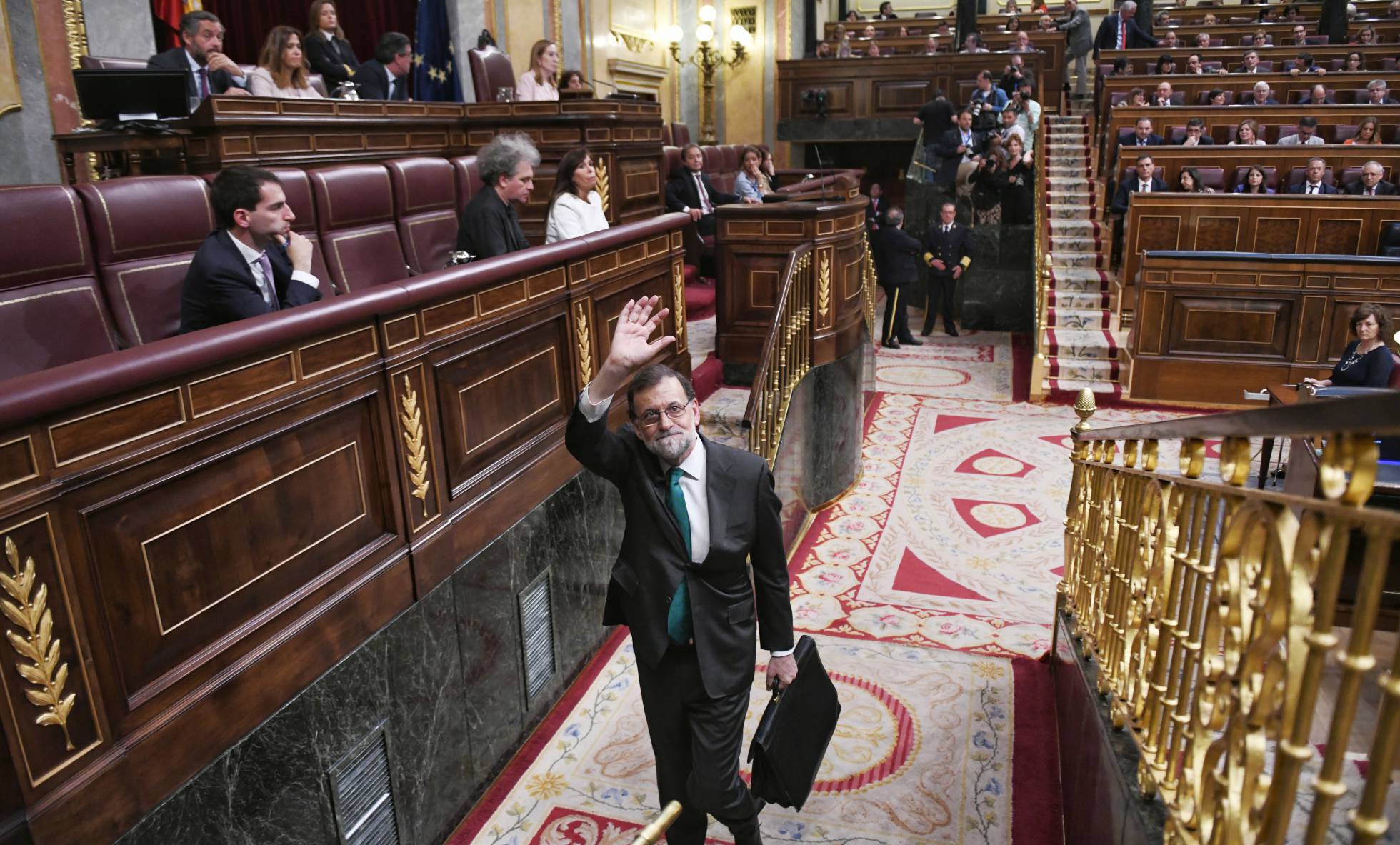
For the motion to be approved, PSOE needed an absolute majority, so apart from its seats (84), PSOE needed Podemos’ (67), the Catalonian independentist parties (9 ERC and 8 PDeCAT), the Basque nationalist party (5) and Compromís (a Valencian party that used to be part of Podemos and had 4 seats). After many negotiations, the vote for the motion was carried out and PSOE got all those supports and also the Basque independentist’s (2 seats) and Nueva Canaria (a party from the Canary Islands with one seat). In total, 180 yes’ and 169 no’s: Rajoy was kicked out and Pedro Sánchez became the 7th President of Spain.
The duty to call for new elections
As we’ve seen, now Pedro Sánchez was the President but provisionally. He had the duty to call for elections but with one big advantage: he and his party were the ones deciding when the elections would be. It’s not necessary to be a professional strategist to guess that the elections would take place in the exact moment that PSOE’s popularity was maximum, which was April 2019.
Until then, PSOE was a very weak government. They had the support of many different countries to get there (the opposition baptized it as “the Frankenstein Government”) but once the motion of censure was done, they had just 84 seats to try to approve different measures. Their hands where tied and they weren’t even able to approve the State’s General Budgets. The only relevant things that PSOE did was to raise the minimum wage (from 858,55€ to 1050,00€) and exhumation of the body of Francisco Franco (the dictator, who lied on a huge mausoleum built by people from the losing side of the war). These two measures might look insufficient, but they were enough for Sánchez to win the 2019 election with almost the double seats of the second party (PP). But that will be explained on our next and last post.
Me encanta la idea de hacer un blog sobre la situación política actual española, es muy interesante. No hay excusa,…
I liked the blog, very useful and well done.
Amazing photos!! Thanks, it’s very interesting!!!


Nice blog! I think you didn’t have to explain so back in time but for the rest it was really…